
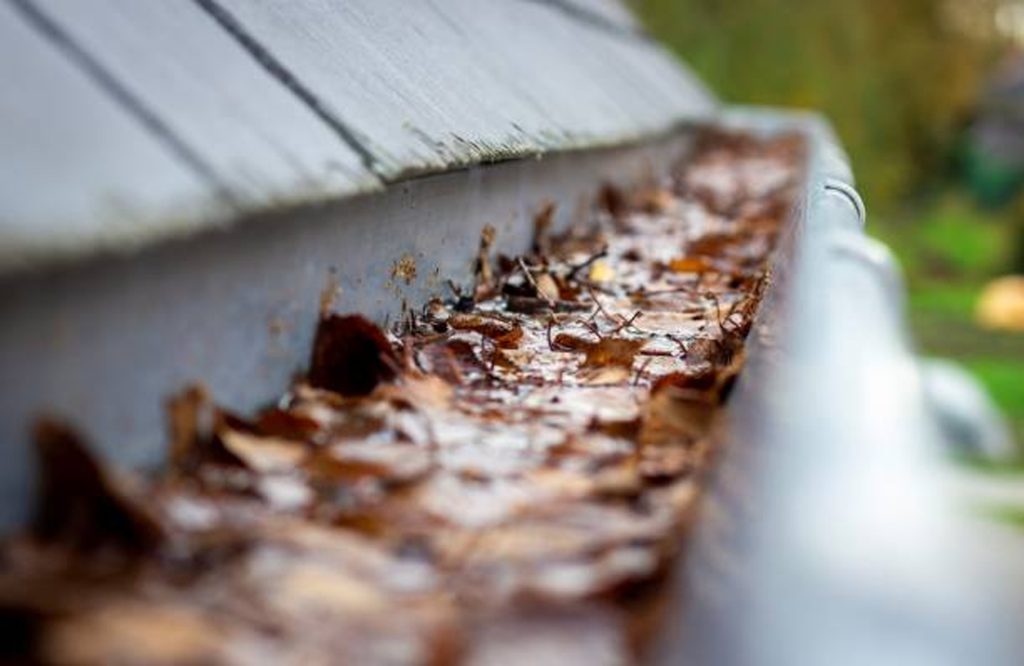
Southern California homeowners have an important reason to inspect their rain gutters before the 2026–27 rainy season.
In its August 13, 2026 ENSO Diagnostic Discussion, the NOAA Climate Prediction Center reported that El Niño was strengthening and had a greater than 90% chance of becoming a very strong event during the Northern Hemisphere fall and winter of 2026–27. NOAA also estimated a 69% chance that the October through December period could reach historically strong levels. However, NOAA emphasizes that even a powerful El Niño does not guarantee specific weather impacts in every location.
For homeowners, the practical takeaway is simple: do not wait for the first major storm to discover that your gutters are clogged, leaking, sagging, or sending water toward your foundation.
A preventive gutter inspection can help identify drainage problems before sustained or heavy rainfall places additional demand on the system.
Quick Answer: Should You Inspect Your Gutters Before El Niño?
Yes. Southern California homeowners should inspect and clean their gutters before the rainy season and recheck them after significant storms.
During the inspection, look for:
- Leaves, dirt, and other debris
- Clogged or undersized downspouts
- Sagging or improperly pitched gutters
- Loose hangers and fasteners
- Leaking joints, corners, or end caps
- Standing water inside the gutters
- Water pooling near the foundation
- Soil erosion below downspouts
- Water stains on fascia or exterior walls
- Gutters pulling away from the roofline
Los Angeles County also recommends clearing gutters and drains as part of preparing a property for rain and potential flooding.
What Does El Niño Mean for Southern California?
El Niño develops when surface waters in the central and eastern tropical Pacific become warmer than usual. Those warmer ocean temperatures can influence atmospheric circulation, storm tracks, temperatures, and precipitation patterns.
Southern California has historically experienced an increased likelihood of wetter conditions during some El Niño winters. However, each El Niño event is different. Its strength alone cannot predict how much rain will fall in a particular neighborhood or whether an individual property will experience flooding.
That uncertainty makes routine home preparation especially important. Even an ordinary storm can expose an existing gutter problem. More frequent or intense rainfall may simply make that problem more visible.
7 Things to Check During a Gutter Inspection
Many warning signs can be identified from the ground. Do not climb onto a roof or ladder unless you have the proper equipment and can do so safely. If the gutter system is difficult to access, consider requesting a professional inspection.
1. Overflowing Gutters
Water spilling over the front or back of a gutter is one of the most visible signs of a problem.
Overflow may be caused by:
- Leaves or debris blocking the gutter
- A clogged downspout
- Improper gutter pitch
- Damaged or separated sections
- Inadequate gutter capacity
- Poorly positioned downspouts
If water repeatedly overflows from the same area, do not assume that cleaning alone will correct the problem. The system may have a slope, capacity, or installation issue.
2. Sagging or Separating Sections
Your gutters should remain straight and securely attached to the fascia.
Look for:
- Visible sagging
- Gaps between gutter sections
- Gutters pulling away from the home
- Loose hangers or fasteners
- Sections that hold water instead of draining
Sagging may indicate loose hardware, improper pitch, excess debris, standing water, or deterioration around the fascia.
3. Clogged or Loose Downspouts
Downspouts carry roof runoff away from the gutter system, so each connection should be clear and secure.
Check whether downspouts:
- Are securely attached
- Have separated at a connection
Appear dented or damaged
Release water properly
Direct water away from vulnerable areas
Cause water to collect near the home
After rainfall, standing water inside a gutter may indicate a blocked downspout or an improperly pitched section.
4. Leaking Seams, Corners, and End Caps
Pay particular attention to gutter seams, corners, end caps, and downspout connections. These are common areas where leaks may become visible.
Look for water stains, peeling paint, damp fascia, dripping connections, or erosion directly below the gutter. Small leaks can allow repeated water exposure around the roof edge and exterior surfaces.
5. Leaves and Other Debris
Leaves, twigs, pine needles, roof granules, and windblown debris can restrict water flow.
Remove visible buildup before the rainy season and confirm that water can move freely through the gutters and downspouts. Homes near trees may require more frequent inspections throughout the winter.
6. Where the Water Goes
A gutter system is not functioning properly simply because water enters a downspout. The water must also be directed to an appropriate drainage location.
Inspect the ground around your home for:
- Pooling water
- Soil erosion
- Mud accumulation
- Repeatedly wet landscaping
- Water stains on exterior walls
- Runoff moving toward the foundation
- Damaged areas beneath downspout outlets
The goal is to move roof runoff away from vulnerable areas rather than allowing it to collect next to the home.
7. Fascia and Roof-Edge Damage
Inspect the area behind and above the gutters for visible signs of deterioration.
Warning signs may include:
- Soft or damaged fascia
- Peeling or blistered paint
- Dark water stains
- Gaps along the roof edge
- Loose gutter attachments
- Evidence of repeated water exposure
Damage in these areas may need to be addressed before a new gutter system can be installed securely.
When Do Gutters Need More Than Cleaning?
Cleaning may resolve a straightforward blockage. However, professional evaluation may be appropriate if you notice:
- Recurring overflow after cleaning
- Significant sagging
- Gutters pulling away from the fascia
- Standing water in the same section
- Leaks at multiple connections
- Damaged downspouts
- Water consistently collecting near the home
- Visible fascia or roof-edge deterioration
A qualified gutter contractor can evaluate whether the system needs cleaning, repair, improved drainage, gutter protection, partial replacement, or complete replacement.
This distinction matters. Replacing a functional gutter system may be unnecessary, but repeatedly cleaning a damaged or improperly designed system will not correct the underlying issue.
Are Seamless Gutters Worth Considering Before a Wet Winter?
If your current gutters are damaged or no longer draining properly, seamless gutters may be worth discussing with an experienced installer.
Seamless gutters have fewer sectional joints than traditional sectional systems. Because most of the gutter run is formed as one continuous piece, there are fewer seams along the primary runs where leaks might develop. Corners, end caps, and downspout connections still require proper installation and periodic inspection.
L.I. Metal Systems offers seamless gutter applications in 5-inch and 6-inch profiles, including:
- Box-style or OG gutters
- Half-round gutters
- Straight-face gutters
- Aluminum gutter systems
- Copper gutter systems
The appropriate size and profile depend on the home’s roof configuration, architecture, drainage needs, downspout placement, and installation conditions. A larger gutter is not automatically the best solution. Proper pitch, capacity, placement, and installation all matter.
Should You Install Gutter Leaf Protection Before El Niño?
Gutter protection may be helpful for homes that regularly collect leaves, pine needles, and other roof debris.
L.I. Metal Systems offers gutter protection featuring patented bend and Z-bend technology designed to help prevent debris from becoming lodged beneath the gutter. The company states that the product has been tested to ASTM E2768 and ASTM E84-19b standards and is WUI compliant.
Gutter protection does not eliminate the need for inspection. Roof valleys, downspout openings, drainage outlets, and other collection areas should still be checked periodically.
A professional can help determine whether gutter protection is suitable for your roof design, surrounding trees, existing gutters, and drainage requirements.
Why Southern California Homes Need Regular Gutter Inspections
Long periods of dry weather can make gutter maintenance easy to overlook. During that time, leaves, dirt, roof granules, and other debris may accumulate without producing an obvious problem.
When substantial rain finally arrives, the gutter system may suddenly need to manage a large amount of roof runoff. Overflow during the first storm does not necessarily mean the gutter failed overnight. The underlying blockage, pitch issue, damaged connection, or drainage problem may have been developing for months.
Routine inspections allow homeowners to identify these issues before water begins spilling over the gutter or collecting around the property.
When Should You Inspect Your Gutters?
A practical Southern California gutter inspection schedule includes:
Before the Rainy Season
Inspect and clean the gutters in early fall or before the first anticipated period of substantial rain. Remove debris, check visible connections, and confirm that downspouts are clear.
During the First Rain
When it is safe to observe the home from the ground, watch how water moves through the system. Look for overflow, dripping seams, unusual discharge patterns, or pooling water.
After Significant Storms
Recheck the gutters for new debris, leaks, loose components, and drainage problems.
Throughout Winter and Early Spring
Homes near trees or properties with recurring drainage problems may need additional inspections during the rainy season.
Questions to Ask a Southern California Gutter Contractor
Do not base your decision solely on the price of replacement. Ask the contractor to explain the cause of the problem and why the proposed solution is appropriate.
Useful questions include:
- What is causing the drainage problem?
- Can the existing gutters be repaired?
- Is the current gutter pitch correct?
- Are the downspouts properly positioned?
- Does the home need additional downspouts?
- What gutter size and profile do you recommend?
- Why is that size appropriate for this roof?
- Would seamless gutters benefit this home?
- Would gutter protection help with the debris on this property?
- Is there visible damage to the fascia or roof edge?
- Does any damage need to be repaired before installation?
- What warranty applies to the material and workmanship?
Look for a contractor with relevant local experience, clear recommendations, professional communication, documented warranties, and applicable licensing or credentials.
Prepare Your Gutters Before the First Major Storm
The 2026–27 El Niño outlook does not guarantee that every Southern California community will receive extreme rainfall. It does provide a timely reason to evaluate whether your home is ready for the rainy season.
If your gutters have not been inspected recently, check for debris, leaks, sagging, overflow, standing water, and poor downspout drainage. If the same problems continue after cleaning, have the underlying cause professionally evaluated.
L.I. Metal Systems has served Southern California since 1970 and specializes in seamless aluminum and copper rain gutters, custom gutter profiles, and gutter leaf protection. The company serves homeowners in Los Angeles, Orange, San Bernardino, and Riverside counties.
Frequently Asked Questions About El Niño
Is a strong El Niño guaranteed to cause heavy rain in Southern California?
No. A strong El Niño can increase the likelihood of weather patterns commonly associated with El Niño, but it does not guarantee a specific amount of rain, a particular storm, or flooding at an individual property. NOAA’s forecast describes probabilities, not guaranteed local outcomes.
When should Southern California homeowners inspect their gutters?
Inspect and clean your gutters before the primary rainy season. Check them again during or after significant storms for overflowing water, leaks, standing water, loose sections, and drainage problems.
What are the most common signs that gutters need attention?
Common gutter warning signs include overflowing water, sagging sections, leaking joints, clogged downspouts, standing water, loose fasteners, exterior staining, soil erosion, and water pooling near the home.
Can overflowing gutters cause problems around a home?
Overflowing gutters can direct roof runoff toward exterior walls, landscaping, fascia, and areas near the foundation. The cause should be evaluated, especially if overflow continues after the gutters have been cleaned.
Are seamless gutters better for Southern California homes?
Seamless gutters may reduce the number of joints along the principal gutter runs, but their effectiveness still depends on proper sizing, pitch, downspout placement, drainage design, and installation.
Does gutter protection eliminate gutter maintenance?
No. Gutter protection may reduce the amount of debris entering the gutter, but the roof, gutter system, downspouts, and drainage outlets should still be inspected periodically.
